
Editorial desk · Seattle
About Quibla Delivery and our editorial approach
Quibla Delivery publishes an editorial blog about Waffle House culture: the menu, the overnight shifts, the storm-season reputation, and the people who work behind the counter. We are a small editorial operation, not a fan site and not a corporate channel.

The publisher
Who we are
Quibla Delivery operates the site at quibla.delivery. Our office address is 1402 Terry Ave, Seattle, WA 98101, USA, and our editors work across time zones so that overnight and weekend stories get covered as they happen. The blog is self-funded by the publisher, and we do not run advertising inside articles.
That arrangement shapes what we can do. Because no advertiser buys space beside a story, nobody outside the desk gets to ask us to soften a paragraph about pricing, a labor dispute, or a shift that went badly. It also means the site is small on purpose: a handful of editors, a shared research log, and enough time to check a detail twice before it goes up.
You can reach the team at the contact page, by email at info@quibla.delivery, or by phone at +12066822661 during working hours, Monday to Friday, 9:00 AM – 6:00 PM.
- Office
- 1402 Terry Ave
Seattle, WA 98101 - Reach the desk
- info@quibla.delivery
+12066822661 - Phone hours
- Mon–Fri 9:00–18:00
- Funding
- Publisher-funded
No sponsored articles dressed as reporting
What we cover
Our coverage stays inside a defined lane. Every story below is a standing thread on the desk, with its own research notes and its own stack of clippings. We do not cover unrelated restaurant topics, and we do not publish general food trend pieces that have no connection to the subject.
-
01
Menu format and all-day breakfast. The grammar of the board, what stays available around the clock, and how the kitchen holds a breakfast line at four in the morning.
Menu desk -
02
24-hour diner operations. What an always-open floor asks of the people on it, from shift handovers at the pass to the quiet hours when the counter is nearly empty.
Overnight desk -
03
Storm response and its reputation. How locations prepare before weather arrives, and why locals treat an open sign during a storm as a piece of informal information rather than a marketing line.
Weather desk -
04
Workplace and labor stories. Scheduling, training, pay conversations, and the ways staff describe the job in their own words. We go to the people doing the work first.
Labor desk -
05
Menu pricing and commodity swings. How ingredient costs reach a printed board, including surcharge changes driven by egg and pork prices, explained without speculation about numbers we cannot verify.
Pricing desk
How we research stories
Every piece starts as a folder, not a draft: a set of public records, press coverage, and observable details of the restaurant format that we can point to if a reader asks where a line came from.
When a story centers on a specific incident, we stick to verified reporting and avoid speculation. Where a fact is not confirmed, we say so in the text — usually in the same sentence, not a footnote nobody reads.
What we accept, what we do not
We do not accept free meals, gifts, or payments in exchange for coverage, and we do not publish sponsored content that looks like reporting. If a trip requires travel, the desk covers it and the story says nothing about it, because a paid trip is not a fact a reader needs.
-
Step one
Collect the public paper trail — filings, past reporting, and anything the company or a regulator has already put on the record.
-
Step two
Talk to the people closest to the work — staff, former staff, and regulars who can describe a shift in specifics rather than impressions.
-
Step three
Check every claim that would change the story if it were wrong, and mark in the text anything still unconfirmed after that check.
-
Step four
Publish with sources named wherever they agree to be named, and revisit the piece when the facts move.
Tips and documents
Sources and confidentiality
Story tips are welcome, and they often produce the most useful reporting. Former employees, current staff, and frequent travelers tend to know details that never reach a press release.
We protect the people who talk to us
01We protect sources who ask for anonymity. That means the name stays out of the draft, out of the notes shared with other editors, and out of any conversation about the piece afterward.
No tip runs unconfirmed
02We do not publish a tip without independent confirmation where confirmation is possible. When it is not possible, we either leave the claim out or say plainly in the text that it rests on a single account.
Documents get read, not forwarded
03If you have documents, we will review them and tell you what we can verify. You hear back with an honest answer about whether the material supports a story, even when the answer is no.
Deadlines match the fact, not the news cycle
04An overnight story can be written the next morning. A labor story may take three weeks of return calls. We would rather publish a smaller piece that holds up than a fast one we have to walk back.
Corrections policy
When we get something wrong, we fix it and say so. Corrections run at the bottom of the affected article with a date so readers can see what changed. If you spot an error, use the contact page and include the page name and the specific detail. We prioritize factual corrections over wording preferences, and we review every correction request we receive.
What a correction shows
The change itself, set apart from the body text so a returning reader can see the difference between the original and the fix.
The date it ran
A dated line, so anyone comparing versions knows which text is current without writing to ask.
What stays untouched
Wording we would phrase differently on a second pass is not a correction. We change facts and leave style alone.
How to file one
Send the article name and the exact sentence, plus any supporting material. Corrections with a document attached get resolved fastest.
If a correction changes the sense of a headline or a lede, we update both rather than leaving a corrected body under a misleading opener.
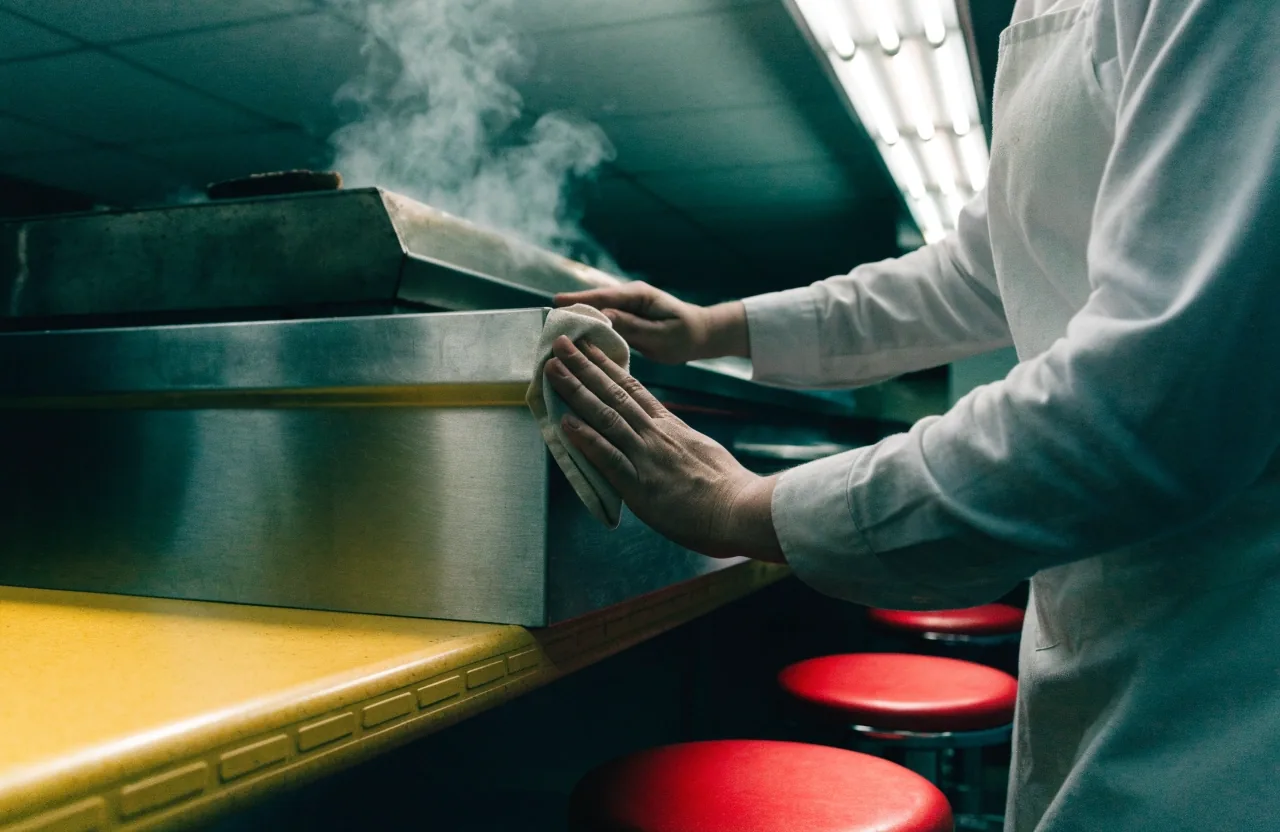
The floor during a storm
Independence and disclosure
Quibla Delivery is not affiliated with the chain, its franchisees, or its corporate parent. Brand names appear because they are the subject of coverage, not because of a partnership.
We do not accept payment to modify coverage, and no advertiser has influence over editorial decisions. If you see anything on the site that reads like an advertisement, report it, because that would be a mistake worth fixing.
Editorial note, storm-response desk
What we do not do
We do not publish fake testimonials, invented metrics, or unverifiable before-and-after claims. We do not use absolute guarantees in our writing, and we do not present informal benchmarks as official measurements. We also do not cover topics outside our lane in order to chase traffic. If a story does not fit the blog's focus, we leave it alone.
No invented numbers
If a figure is not in a document we can point to, it does not appear in a sentence that reads like a measurement. Informal reputation stays described as informal reputation.
No anonymous praise
When staff or regulars tell us something useful, they get named if they agree to be named, or their account is attributed as an anonymous source with the reason stated.
No traffic chasing
A story about a restaurant chain that is not this restaurant chain does not belong here, even when it would draw readers. The lane is the point.
No hidden sponsorship
There is no sponsored format on this site. If that ever changes, the disclosure will sit at the top of the article, not in the footer where nobody looks.
How to suggest a topic
Send suggestions through the contact page with as much context as you can provide: what the story is, why it matters now, and what you know that is not already public. Suggestions that come with documents or specific dates move faster. We read everything, though we cannot reply to every message individually.
What makes a suggestion easy to work with
-
The location
Which store, and roughly when you were there. Details about a specific counter beat a general impression of the chain every time.
-
The dates
A shift, a storm, a menu change, a hiring notice. A date lets us pull the reporting that already exists around that moment.
-
The documents
Pay stubs, schedules, notices, or correspondence. We read them, tell you what can be verified, and keep your name out of it if you ask.
-
The witnesses
Anyone else who saw the same thing and would speak to us. Two accounts of a night shift are worth more than one, and we will approach them carefully.
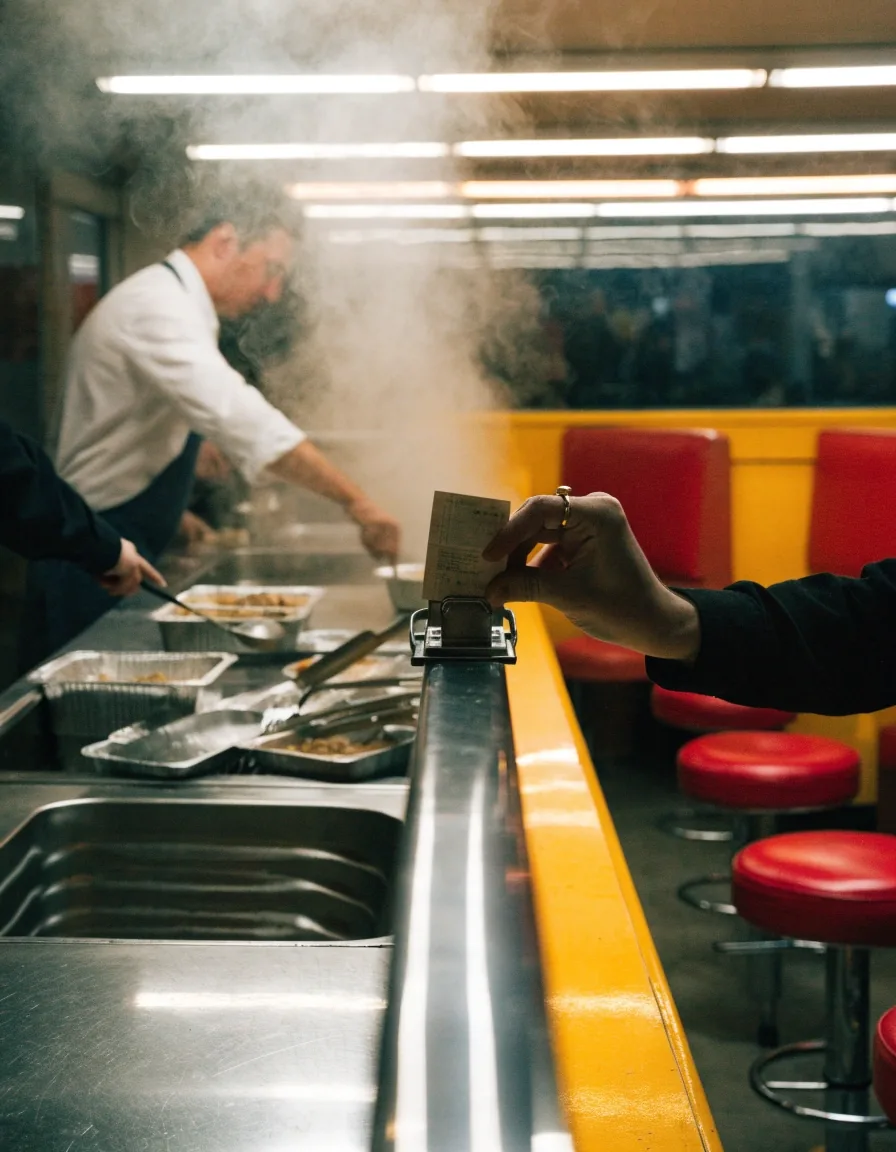
Read the reporting this page describes
Questions about a specific article, a sourcing decision, or a correction belong in one place, and that place is the contact page. Include the article name and the paragraph in question, and the desk will answer with the reporting behind it.