
Overnight shift notes from an American diner counter
Waffle House culture, served all day
Quibla Delivery is an editorial blog about one of the most recognizable diners in the United States. We follow the menu, the overnight shifts, the storm-season reputation, and the people who work behind the counter.
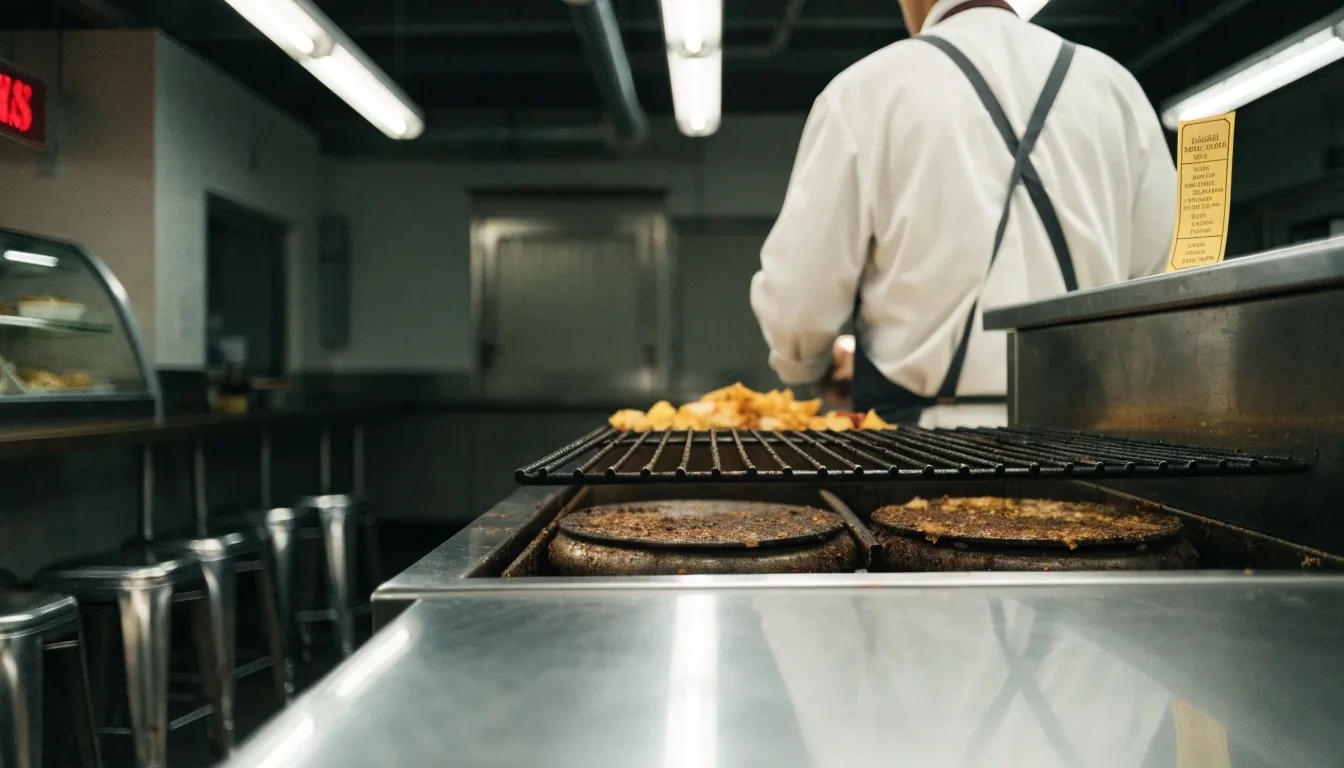
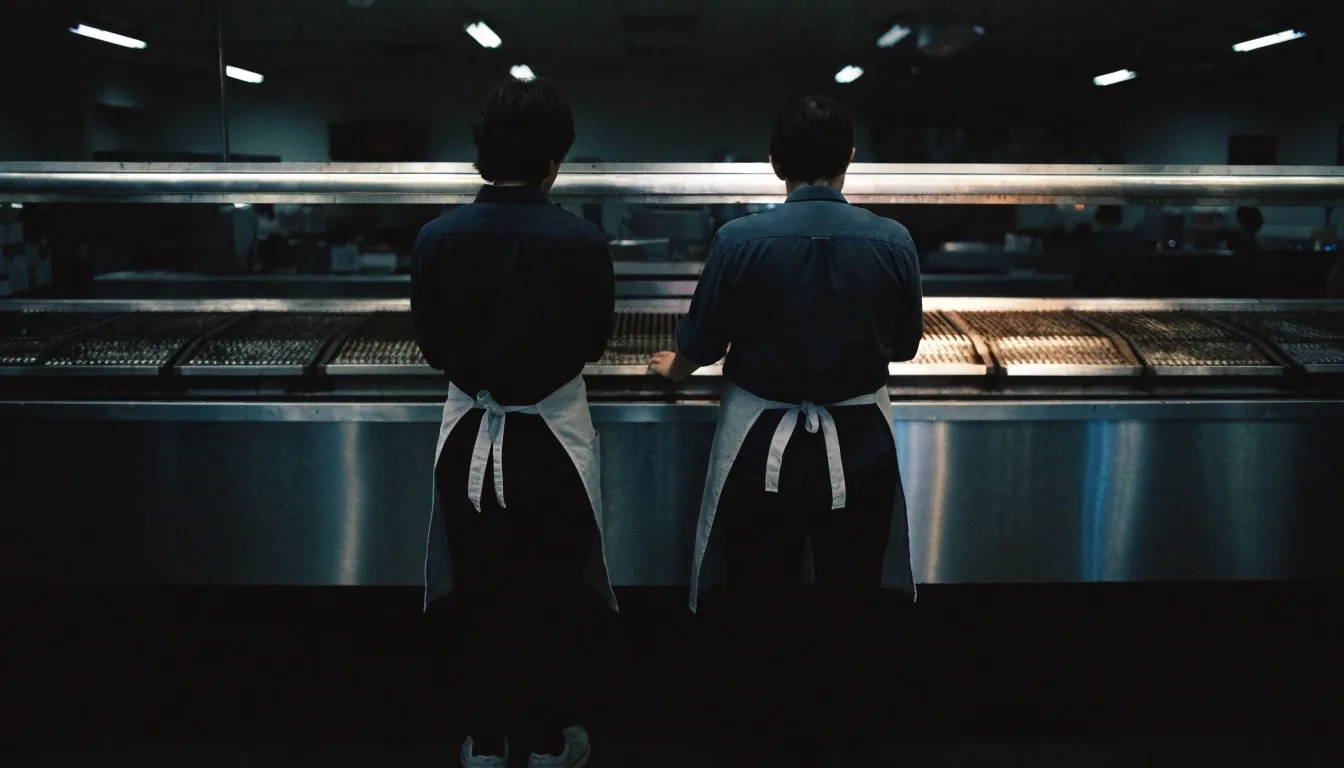
Third shift, stools empty, ticket still on the rail
Photograph — counter, through the night
Quibla Delivery editorial desk
Reporting on a roadside diner, not a fan page
This is not a fan page and not a corporate feed. It is reporting and explainer writing for readers who want to understand why a chain of roadside restaurants became a cultural reference point. We publish essays, explainers, and reporting notes on the everyday mechanics of the brand: what gets ordered at 3 a.m., how a cook calls out a ticket, and what happens when a hurricane makes landfall near a store.
Our editors work remotely across time zones, which means someone is usually awake when the overnight stories break. Everything here follows the same editorial standard. We cite what is publicly reported, we separate confirmed facts from folk reputation, and we update stories when the record changes.
Where the desk sits
1402 Terry Ave, Seattle, WA 98101, USA
Mon–Fri, 9:00 AM – 6:00 PM
What this blog covers
Our coverage is organized around a handful of themes, each with its own section so readers can follow one thread without wading through everything else. If you are new here, the menu and 24-hour diner sections are the best starting points, because they explain the mechanics everything else builds on. Longtime readers tend to jump straight to the people and workplace stories.
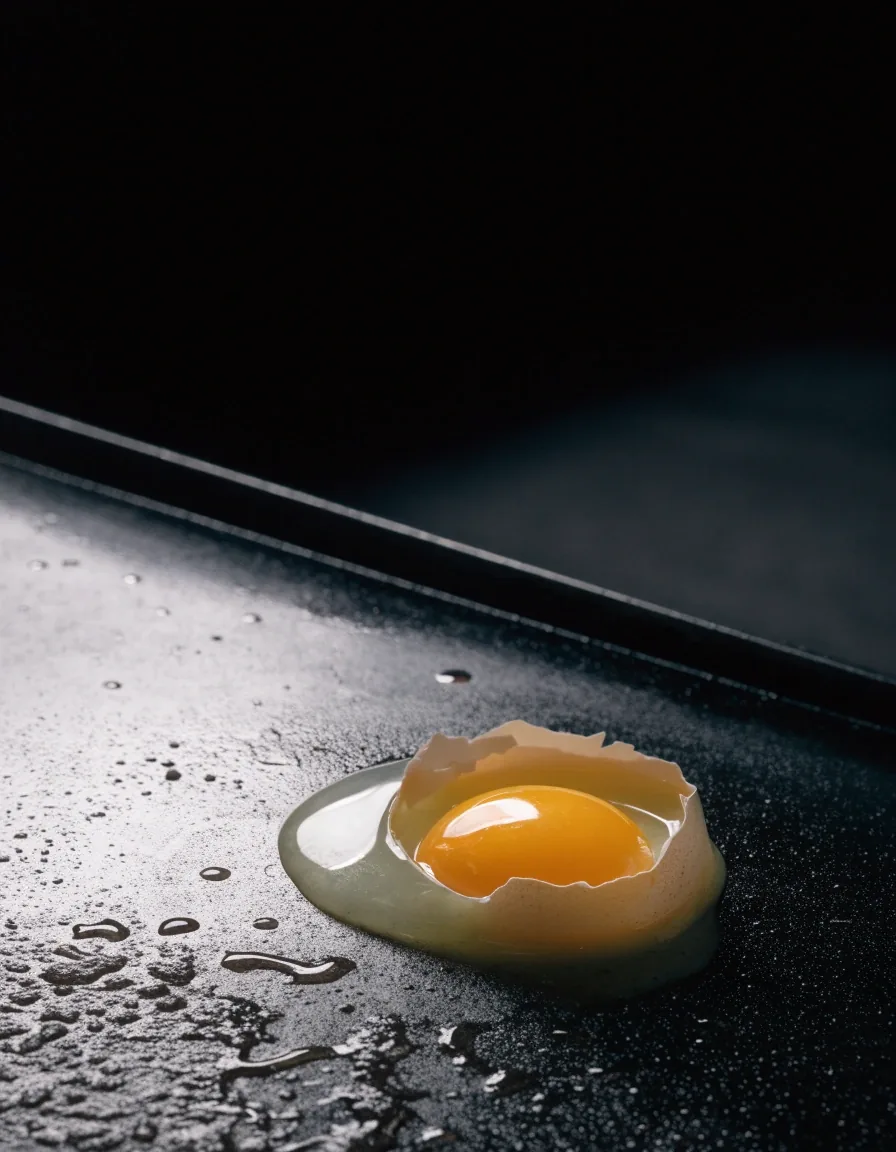
The flat top at 6 a.m., before the first ticket
Why the menu format still matters
All-day breakfast is not a gimmick for this chain. It is the operating premise. A customer can order hash browns at breakfast, lunch, or after midnight, and the kitchen treats those orders the same way regardless of the hour. That flexibility is a big part of why the format has lasted, and it explains why the menu is written in an order shorthand that regulars learn quickly.
The shorthand is worth learning before your first visit, because it changes what arrives on the plate. Scattered means the potatoes are spread on the grill rather than pressed into a mold. Smothered adds onions. Covered adds cheese. Put those words together and you have a working vocabulary that regulars use without thinking about it.
Read the menu traditions guideThe vocabulary regulars learn without noticing
Order shorthand is one of the few parts of American diner culture that survives mostly by word of mouth. It moves from server to cook to customer and back, and it is short enough that a first-timer can pick it up on a single visit. Here is the core list we keep coming back to in print, plus the combinations that show up most often at the counter.
If you are ordering for the first time, start with a waffle and an order of hash browns so you can judge the two items the menu is built around. Then decide whether you want the potatoes scattered, smothered, or covered, and ask the server to explain the shorthand if it is new to you. Most regulars build a standard order within two or three visits.
What "open all night" actually means
Round-the-clock service is one of the brand's defining features, and it changes the character of a location depending on the hour. The morning crowd orders coffee and waffles. The overnight crowd is largely shift workers, travelers, and people coming off a late event.
We cover how those groups use the same dining room differently and what staff schedules look like when a store never locks its doors. That reporting also touches on why 24-hour diners remain a durable category in American food, even as many other chains have trimmed their hours. Hours can still change because of staffing, weather, or local conditions, so it is worth checking with a specific store before a late trip.
Explore 24-hour diner life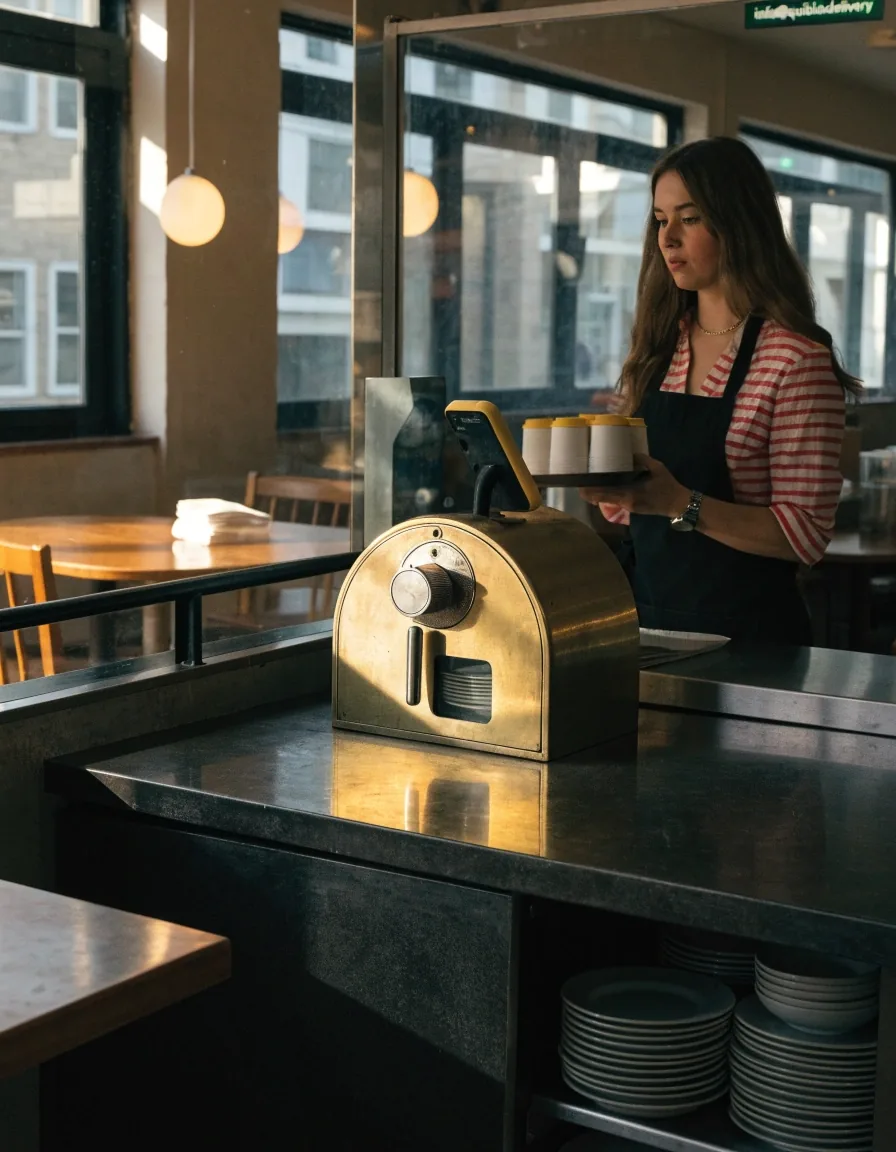
Parking lot, sometime after midnight
Storm season and the closure benchmark
Local officials and newsrooms have treated the chain's storm footprint as a rough signal of conditions on the ground. If stores are open, the area is likely functioning. If they close, the situation is serious. That reputation did not come from a marketing campaign; it came from years of stores reopening quickly after hurricanes and severe weather.
We follow that story each season, including the difference between a temporary closure and an extended shutdown. We avoid treating the pattern as an official safety metric. It is a habit of coverage, not a government standard, and readers should still follow local emergency guidance over any restaurant's status.
See storm response coverage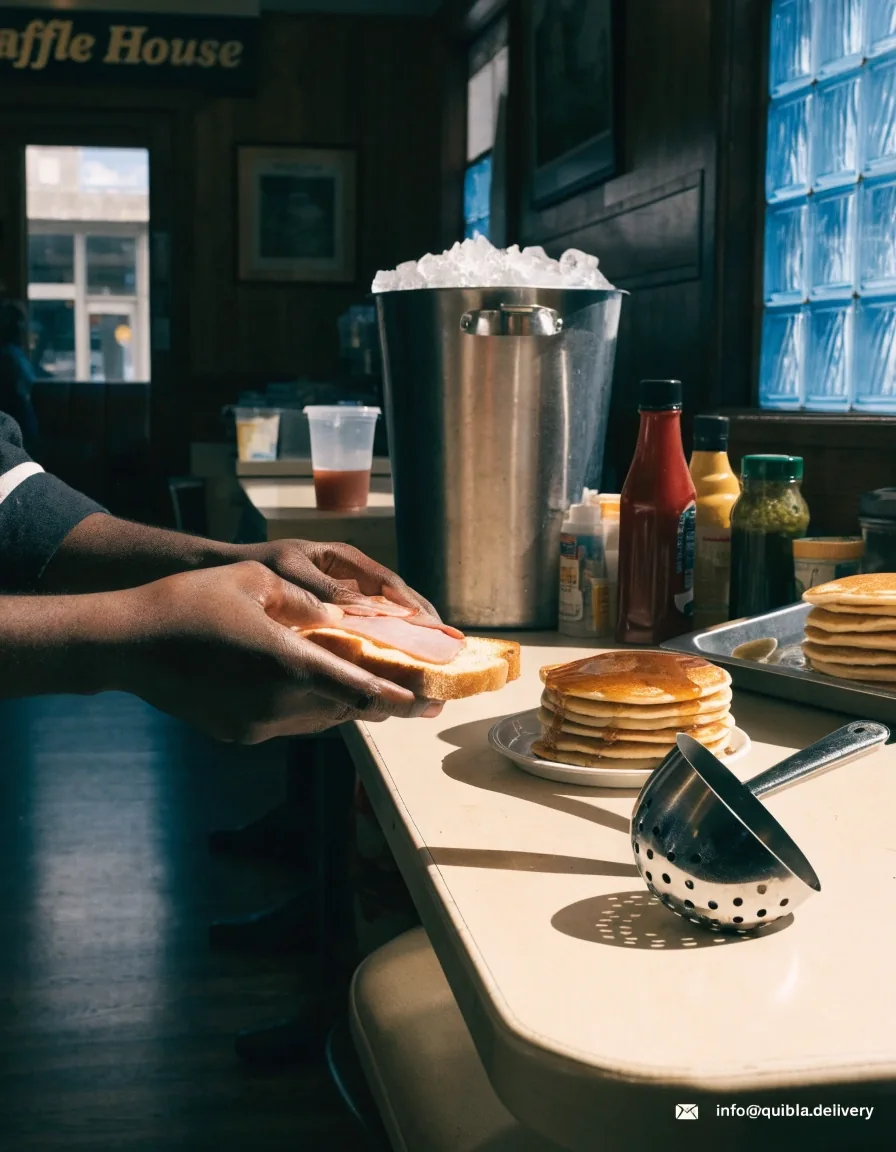
Windows streaked, counter light on
The people behind the counter
The most interesting stories at this chain are not about the food. They are about the staff. We report on labor organizing, including the Union of Southern Service Workers and its efforts around Waffle House employees. We also cover leadership: Walt Ehmer served as chief executive officer and died in 2024 at age 58, a loss widely reported by business press during a period when the chain was under labor scrutiny and heavy brand visibility.
We also follow individual stories, such as the cook known as Rockstar Riley, whose viral rap videos reportedly crossed one million TikTok views before he was fired over filming-rule violations. When we cannot confirm a detail, we say so in the text rather than filling the gap.
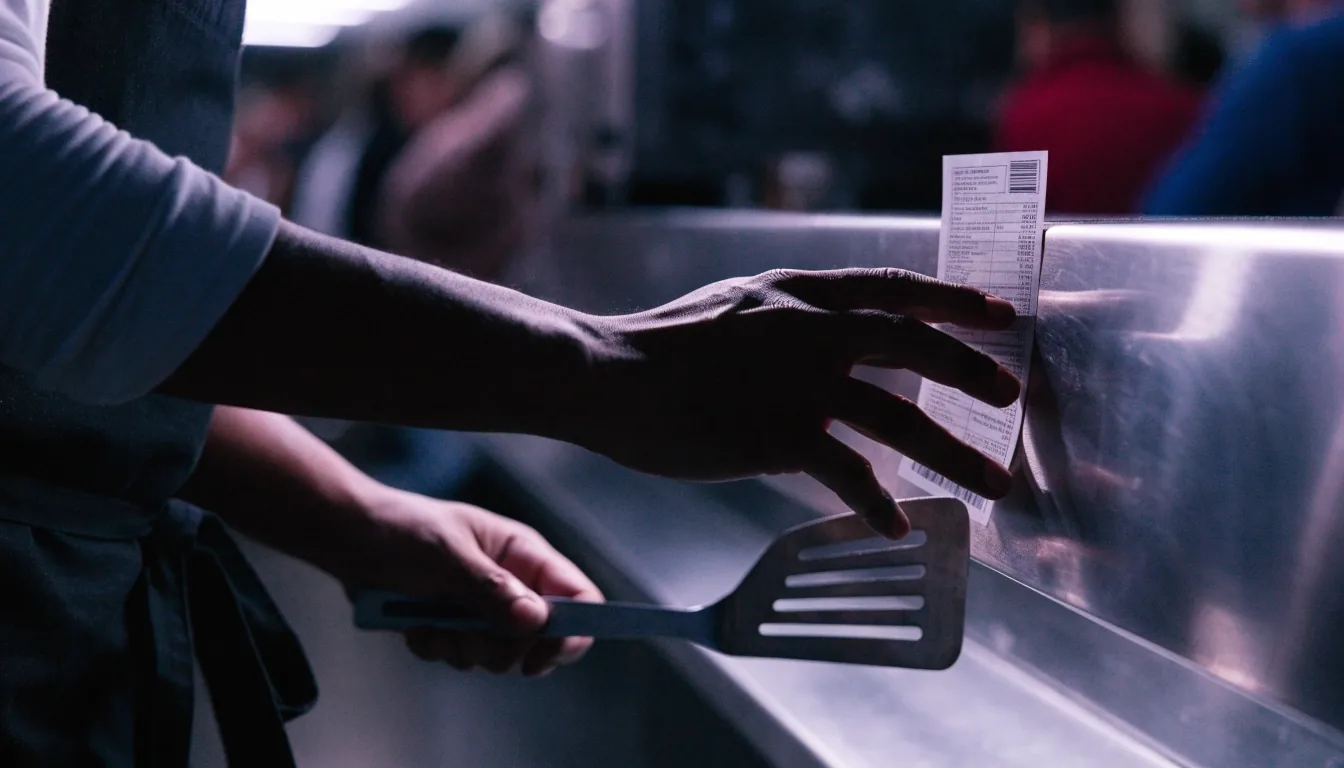
Menu economics, from eggs to surcharges
Breakfast is a commodity business whether customers think about it that way or not. When a bird flu-driven egg shortage raised costs, the chain temporarily added a 50-cent egg surcharge to menu items. The move was covered nationally and made breakfast pricing a mainstream consumer topic for a few weeks. We use that episode as a case study in how a diner balances ingredient volatility against a menu that customers expect to stay familiar.
One story we cover carefully
A 2018 shooting at a Nashville location became national news and later led to a guilty verdict on multiple murder counts for Travis Reinking.
We stick to verified reporting and avoid speculation. When we cannot confirm a detail, we say so in the text rather than filling the gap.
How we report and update
We work from public records, press coverage, and observable details of the restaurant format. When a story involves a specific incident, we stick to verified reporting and avoid speculation. When we cannot confirm a detail, we say so in the text rather than filling the gap.
If you spot an error, send a note through our contact page and a correction will be logged. Corrections run at the bottom of the affected article with a date, so readers can see what changed and when the record shifted.
Story tips are welcome, especially from people who work in or near the restaurants. Former employees, current staff, and frequent travelers often know details that never make it into press releases. We protect sources who ask for anonymity and we do not publish a tip without independent confirmation where confirmation is possible.
What we edit by
- Confirmed facts stay separate from folk reputation.
- Every story names where the information came from.
- Corrections are published on the article, with a date.
- No sponsored posts that read like reporting.
Reading paths for new visitors
First-time readers start with the menu, then move to the overnight section, then the storm coverage.
Readers who want the business angle go straight to pricing and workplace stories.
Every section stands on its own, so you can read one piece without needing the rest.
Cross-links help if you want the larger picture, but there is no membership and no paywall. The blog is free to read and funded by the publisher's own operations. That funding model is also why we avoid sponsored posts and why the reading experience is not interrupted by ad units.
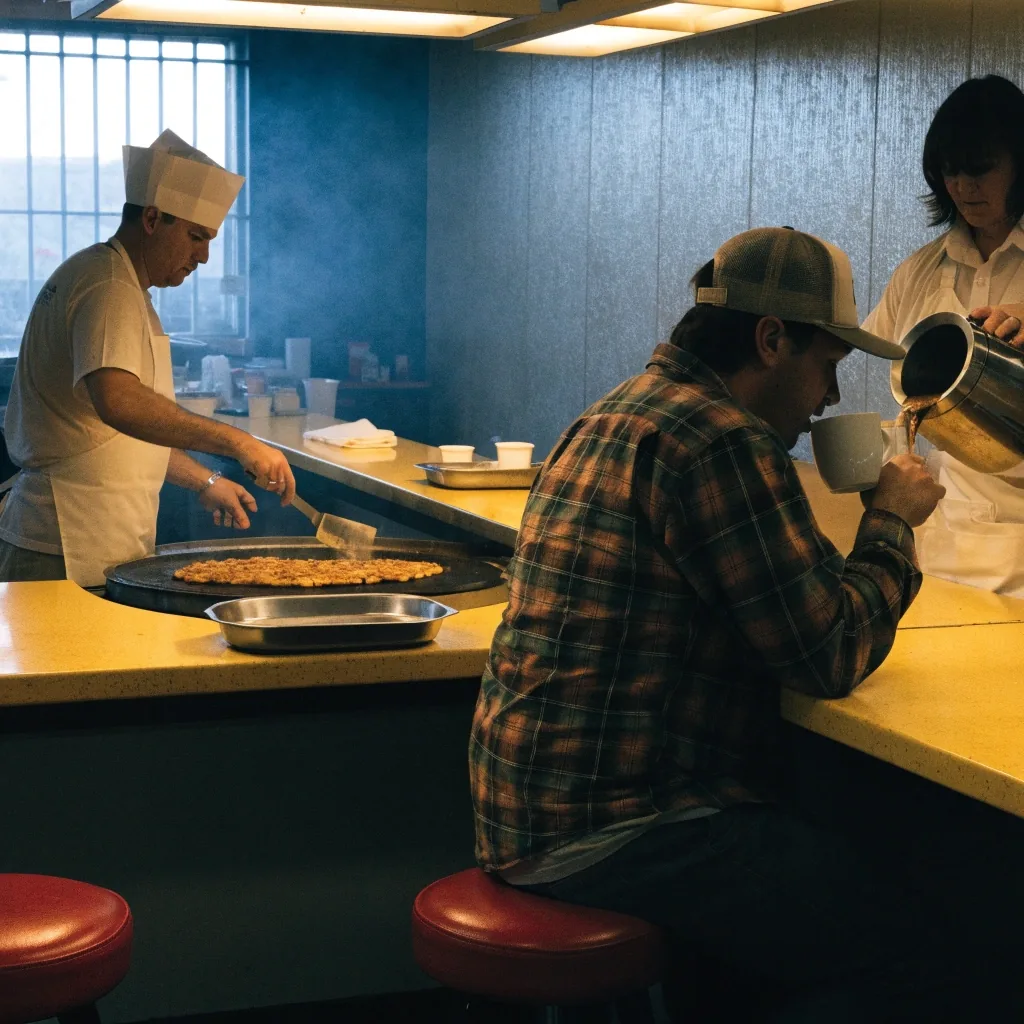
The sheet, left on the counter
Quibla Delivery editorial desk
A note on what we are not
Quibla Delivery is not affiliated with the chain, its franchisees, or its corporate parent. We do not accept free meals in exchange for coverage, and we do not publish sponsored posts that look like reporting. Brand names appear because they are the subject, not because of a partnership.
If you see something here that reads like an advertisement, tell us, because that is a mistake worth correcting. The blog runs on its own editorial budget, and coverage choices are made by the site's editors rather than by advertisers.
Questions readers bring to the counter
What should a first-time customer order at Waffle House?
Start with a waffle and hash browns so you can judge the two items the menu is built around. From there, decide whether you want the potatoes scattered, smothered, or covered, and ask the server to explain the shorthand if it is new to you. Most regulars build a standard order within two or three visits.
What does scattered, smothered, and covered mean?
Scattered means the hash browns are spread across the grill instead of pressed into a shape. Smothered adds onions. Covered adds cheese. You can combine the terms, and many regulars stack all three plus extra toppings such as chunked ham or chili.
Is Waffle House really open all night?
Round-the-clock service is central to the chain's identity, and most locations operate overnight. Hours can still change because of staffing, weather, or local conditions, so it is worth checking with a specific store before a late trip.
Why do people treat Waffle House like a storm tracker?
Because stores have a long record of staying open or reopening quickly after severe weather, newsrooms and locals began using their status as an informal signal of how badly an area was hit. It is a habit of coverage, not an official safety measure, and local emergency guidance always comes first.
How has Waffle House changed under new leadership?
Walt Ehmer served as chief executive officer and died in 2024 at age 58, a change widely covered by business press during a period of labor scrutiny and high brand visibility. Leadership transitions at the chain have generally been gradual, but they arrive during an active period for worker organizing and menu pricing debates.
What's coming next
Our editorial calendar currently includes deeper reporting on overnight shift scheduling, a closer look at how order shorthand varies by region, and follow-ups on storm season as it develops. We also plan to revisit the labor organizing story as new filings and statements become public.
If you want to suggest a topic, the contact page is the right place. Readers who prefer a single long read can browse the archive as pieces accumulate. Coverage choices are not influenced by advertisers, because we do not run advertising.
Reach the editors
Email info@quibla.delivery or call +12066822661 during business hours.
1402 Terry Ave, Seattle, WA 98101, USA. Monday to Friday, 9:00 AM – 6:00 PM.
Start reading
Pick a thread and follow it through
Three doors into the same counter: what the menu means, what an overnight shift looks like, and how a store handles the worst weather of the year.